Shared challenges, shared growth: How collective experiences build culture
Leadership teams are often composed of highly capable individuals, each bringing expertise, insight, and experience. Yet even the most talented teams can struggle when trust is fragile, priorities are unclear, or assumptions go unspoken. These challenges are rarely visible in day-to-day work but quietly erode performance, collaboration, and morale.
One of the most powerful ways to address these hidden barriers is through shared experiences and collaborative problem-solving exercises. By navigating challenges together in a structured, experiential environment, teams can strengthen the very foundations of a high-performing culture.
Why collective experiences matter
When teams face a challenge collectively, whether through simulations, scenario planning, or structured workshops, they engage in more than just problem-solving. These exercises:
- Build trust: Working through difficult scenarios together reveals vulnerabilities and encourages leaders to support each other.
- Foster psychological safety: Teams learn that it’s safe to voice differing opinions, admit mistakes, and explore innovative ideas without fear of blame.
- Improve alignment: Collaborative exercises clarify shared goals, reveal interdependencies, and highlight how individual contributions impact the bigger picture.
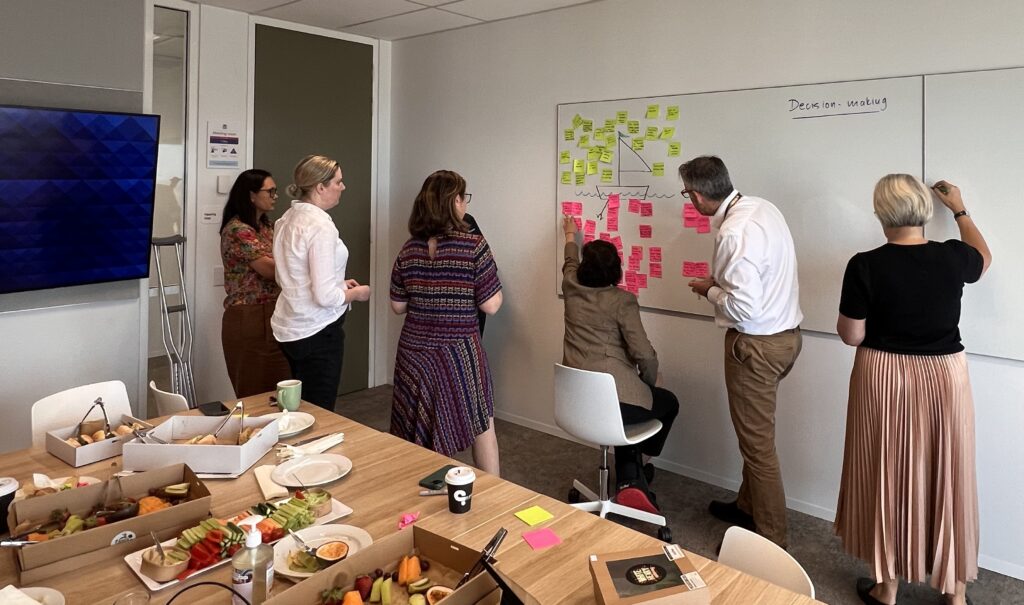
As one leadership team we worked with discovered, the difference between going through a process alone versus together was transformative. The team had been struggling to execute on a major strategic initiative. Individual leaders felt accountable, but coordination was inconsistent. Through a half-day problem-solving workshop, they explored the initiative collectively, identified overlapping responsibilities, and agreed on a shared approach. The outcome was renewed confidence, trust, and clarity about how they could work together to deliver results.
How we design experiential exercises that stick
Creating meaningful shared experiences requires intention. Here are a few approaches we’ve found effective:
- Scenario-based challenges: Present the team with a realistic, high-stakes scenario relevant to their work. Encourage them to solve it collaboratively, with roles rotated to build perspective.
- Reflective pauses: After exercises, guide the team to reflect on what worked, what didn’t, and what they learned about themselves and each other.
- Structured debriefing: Capture insights, decisions, and next steps to ensure the learning translates into actionable outcomes.
- Linking to strategy: Always connect exercises back to the organisation’s strategic goals. Experiential learning is most powerful when it drives clarity and alignment on what truly matters.
The long-term impact
Teams that engage in shared experiences see measurable benefits:
- Stronger trust and openness in everyday interactions
- Clearer alignment on priorities and strategic initiatives
- Faster decision-making and more confident collaboration
- A culture that supports innovation, learning, and resilience
To you, experiential exercises might seem like they’re just “activities” or team-building games. However, to us, they’re strategic interventions that embed the behaviours and mindset needed for high performance, long after the session ends.
Moving beyond the room
Leadership growth happens when teams carry insights and alignment from the room into daily operations. At Athena Leadership Academy, we focus on designing experiences that stick, helping executive teams convert moments of shared challenge into lasting cultural strength.
By investing in collective experiences, leaders will solve problems, but more importantly, they’ll build a culture where people feel safe, supported, and empowered to deliver their best work together.